


 (718) 230-5046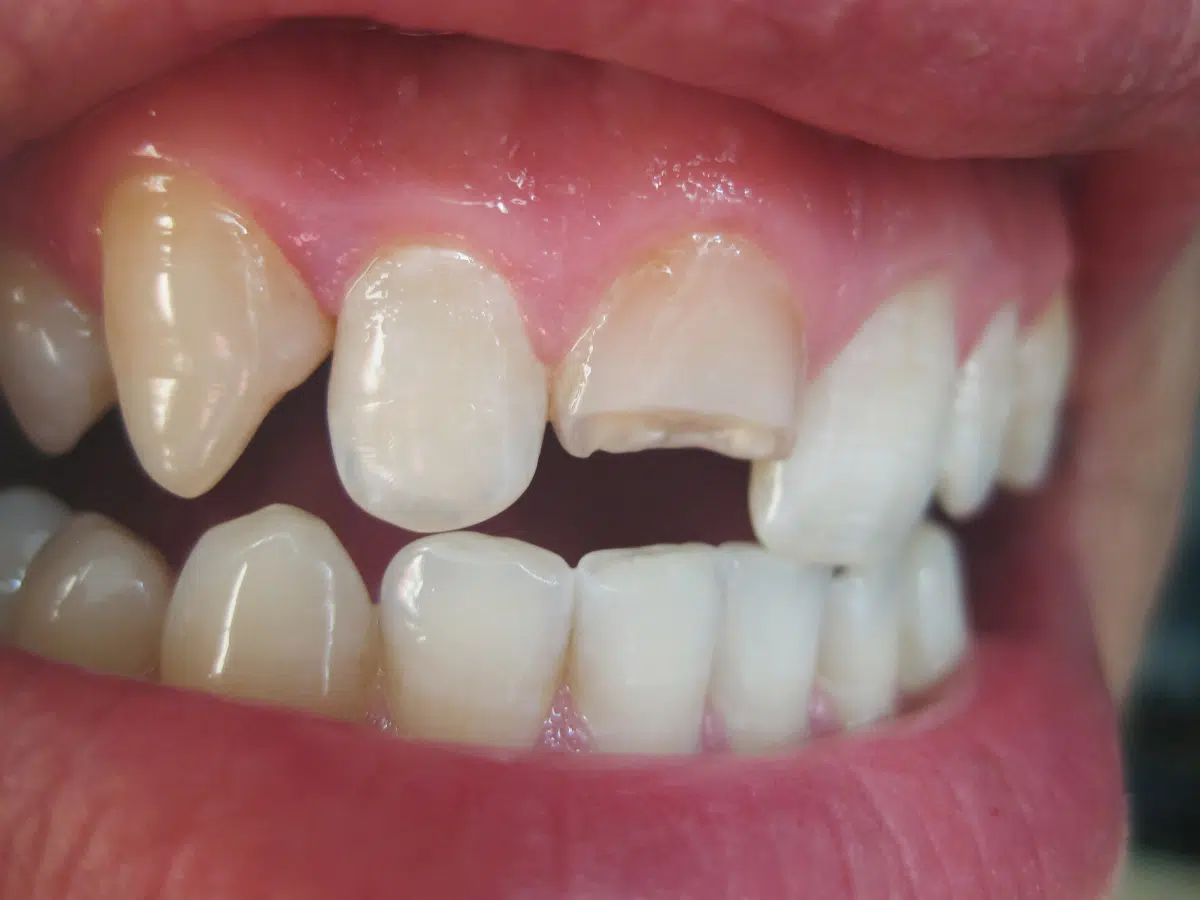
Dental injuries, such as cracked or broken teeth, can happen to anyone at any age. For children and teens, these injuries are not only painful but can affect bite alignment, jaw development, and long-term oral health. At Scantlebury Orthodontics in Brooklyn, Dr. Sophia Scantlebury provides expert evaluation and guidance to prevent dental trauma from compromising a healthy smile or proper tooth function.
This guide explains when to see an orthodontist after a tooth injury, the warning signs to watch for, and how proper care can maintain bite stability and overall dental health.
Understanding Cracked and Broken Teeth
A cracked or broken tooth occurs when trauma or pressure damages the tooth structure. Some fractures may be minor, while others can penetrate deeper and affect the nerves or surrounding teeth.
Common causes include:
- Sports injuries or accidents
- Falls or trips
- Chewing hard foods like ice or candy
- Previously weakened enamel
- Using teeth to open objects
Even minor cracks should be examined because untreated damage can sometimes affect bite alignment, jaw growth, and orthodontic outcomes.
Orthodontic Emergency Care
While a dentist may repair the tooth itself, an orthodontist evaluates how the injury affects the bite, jaw, and overall alignment. This is why orthodontic emergency care is essential after trauma. Immediate assessment can prevent complications such as crooked teeth, misaligned bite, and jaw discomfort.
Seek orthodontic emergency care if you notice:
- Teeth that are loose or shifted
- Pain when biting or chewing
- Changes in how teeth meet
- Swelling or discomfort in the jaw
- Trauma in growing children may affect jaw development.
Prompt evaluation helps ensure the injury does not interfere with long-term oral health.
Treatment for Cracked Teeth
Orthodontic care focuses on maintaining proper alignment after a tooth injury. While the dentist repairs the tooth, the orthodontist ensures the bite and jaw function remain unaffected. This makes treatment for cracked teeth a combined dental and orthodontic process.
Key steps include:
- Checking tooth stability
- Assessing bite function
- Evaluating surrounding teeth
- Monitoring growth in children
- Considering braces or clear aligners if alignment is affected
Broken Tooth Orthodontic Evaluation and Jaw Alignment
A broken tooth can influence your bite and overall jaw alignment, which makes a broken tooth orthodontic evaluation essential. Even minor fractures can lead to jaw alignment issues from dental injury, causing subtle but significant changes in how your teeth contact each other. A thorough evaluation helps identify early bite changes before they worsen and helps you understand when to see an orthodontist for tooth damage.
Your dentist should first diagnose and repair the tooth. An orthodontist evaluates how the injury affects your bite.
Common concerns after a tooth injury include:
- Bite changes or misalignment.
- Jaw discomfort
- Uneven pressure on teeth
- Long-term growth effects in children
Early assessment ensures that alignment issues are addressed promptly and helps prevent future orthodontic problems. A proper evaluation protects your bite, improves comfort, and maintains long-term oral health.
When to Seek Orthodontic Care
Consider seeing an orthodontist if there is:
- Loose or shifted teeth
- Sudden bite changes
- Pain while chewing
- Avoiding biting on one side
- Swelling or jaw discomfort
- Injury during ongoing orthodontic treatment
If you are unsure when to see an orthodontist for tooth damage, any noticeable bite change, or discomfort, it should be evaluated. Early intervention preserves proper bite alignment, supports children’s growth, and prevents complications later.
Additional Considerations for Children
Children’s jaws and teeth are still developing, so dental injuries can affect:
- Eruption of permanent teeth
- Jaw growth patterns
- Bite development
- Long-term oral function
Careful monitoring and customized treatment plans protect healthy development and prevent misalignment.
Protecting Your Smile After a Dental Injury
After a cracked or broken tooth, it’s important to:
- Seek prompt dental and orthodontic evaluation.
- Follow recommended treatment plans.
- Maintain proper oral hygiene.
- Monitor bite function and jaw comfort.
- Use protective measures during sports or high-risk activities.
Following these steps ensures that bite, jaw alignment, and tooth stability remain optimal.
Frequently Asked Questions
Q1: Can a cracked tooth fix itself without treatment?
No, even minor cracks should be evaluated. Untreated cracks can sometimes worsen and affect bite or alignment.
Q2: How soon should I see an orthodontist after a dental injury?
Within a few days is ideal. Early evaluation helps prevent misalignment and detects jaw or bite changes.
Q3: Will my child need braces after a broken tooth?
Not always. If the injury affects alignment or jaw growth, braces or clear aligners may be recommended.
Q4: Are broken teeth in kids common?
Yes, dental trauma is common during sports or play. Prompt evaluation protects developing teeth.
Q5: How can I prevent dental injuries?
Encourage the use of mouthguards for sports, avoid hard foods, and supervise high-risk activities. Regular orthodontic checkups also help detect alignment issues early.
Maintaining a Healthy Smile
Cracked or broken teeth require more than cosmetic repair. A proper assessment by Dr. Sophia Scantlebury at Scantlebury Orthodontics helps preserve bite alignment and overall oral health. Acting quickly after a dental injury reduces the risk of long-term complications and ensures a healthy, well-aligned smile.
Take the first step toward protecting your smile. Schedule your consultation today for a personalized evaluation and treatment plan that keeps teeth aligned and healthy.