


 (718) 230-5046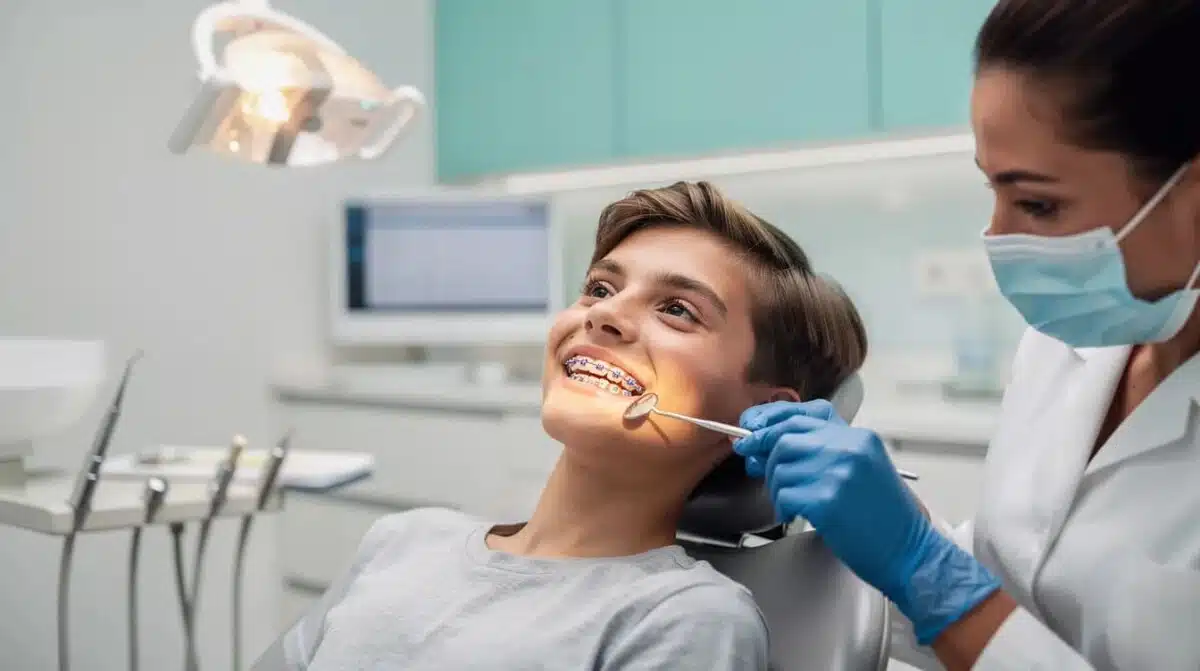
Key Takeaways
- Every orthodontic appointment has an important purpose, helping your orthodontist monitor progress and make adjustments as needed to keep treatment moving in the right direction.
- Appointment timing depends on your treatment plan, appliance type, and how your teeth are responding over time.
- Missing or delaying appointments can slow progress and may extend overall treatment.
- For children, regular visits allow the orthodontist to monitor growth, tooth eruption, and bite development so concerns can be addressed at the right time.
- At Scantlebury Orthodontics in Brooklyn, braces, Invisalign, early orthodontic treatment, and virtual consultations are available to help patients stay informed and engaged throughout care.
- If you’re already in treatment, staying consistent with your scheduled visits is one of the best ways to keep your smile progressing as planned.
- If you’re already in treatment, consider this your reminder: confirm your next appointment and keep that momentum going.
Orthodontic Appointments: More Than Just Check-Ins
Orthodontic treatment is an active process, not something you simply start and forget about. Teeth and jaws respond gradually over time, which is why regular appointments are important throughout treatment. These visits give your orthodontist the opportunity to evaluate progress, check how treatment is developing, and make any needed adjustments along the way.
Whether you’re wearing braces or clear aligners like Invisalign, consistent follow-up helps keep your treatment on track. At Scantlebury Orthodontics, Dr. Sophia Scantlebury oversees each phase of care so patients can continue moving toward a healthier, more confident smile.
Every visit has a specific clinical goal. Your orthodontist might tighten wires, change elastics, check how well your aligners are tracking, or assess subtle bite changes that you wouldn’t notice on your own. These necessary adjustments are timed precisely because teeth move in response to sustained, controlled forces. Wait too long, and that force decays. Rush it, and you risk discomfort or inefficient movement.
Whether you’re wearing traditional braces or clear aligners like Invisalign, consistent oversight from your care team is essential. At Scantlebury Orthodontics, Dr. Sophia Scantlebury carefully sequences these visits to deliver predictable, comfortable progress—so you can feel confident that every appointment is moving you closer to the finish line.
How Each Appointment Moves Treatment Forward
At follow-up visits, your orthodontic team checks how treatment is progressing and determines whether any adjustments are needed. For braces patients, that may include evaluating the appliance, bite changes, and overall tooth movement. For clear aligner patients, visits focus on making sure treatment is progressing as expected and that the aligners are fitting properly. Because every case is different, the timing and purpose of appointments can vary. Consistent visits allow Dr. Scantlebury to review progress carefully and guide the next step in treatment.
Monitoring Growth and Bite Changes (Especially in Kids)
For children, orthodontic appointments do more than track tooth movement—they monitor jaw growth, the eruption of permanent teeth, and changes in the bite that unfold over months and years.
Between ages 7 and 12, permanent teeth are actively erupting, and the jaw is still developing. Regular check-ins allow the orthodontist to catch issues like:
- Crossbites (upper teeth biting inside lower teeth)
- Open bites (upper and lower teeth not meeting)
- Crowding as adult teeth come in without enough space
Early detection at routine visits often means simpler orthodontic appliances or shorter treatment time, rather than more invasive options later. Scantlebury Orthodontics follows the American Association of Orthodontists guidance to evaluate children around age 7, then uses early orthodontic observation and treatment visits as they grow.
Parents can rest assured: consistent appointments help ensure their child doesn’t “miss the window” for the most effective early treatment.
Prevention: Catching Small Problems Early
Regular appointments give your orthodontic team the chance to identify small issues before they become bigger problems. That can include checking for broken or loose appliances, aligner fit concerns, or signs that oral hygiene needs improvement. Catching these issues early can help prevent unnecessary delays and support better treatment progress. If something feels off between visits, contacting Scantlebury Orthodontics promptly is always the best next step.
What Happens When You Miss or Delay Appointments
Your treatment plan is built around a series of scheduled visits. When appointments are postponed for long periods, progress can slow and treatment may take longer than expected. This is especially important when your orthodontist needs to monitor tooth movement, bite development, or appliance performance. If you do need to reschedule, returning as soon as possible can help keep treatment moving in the right direction.
Why Timing Is So Important for Braces
Braces treatment depends on regular monitoring and timely adjustments. If too much time passes between visits, your orthodontist may need to reevaluate progress and make changes to get treatment back on track. Missed appointments can reduce efficiency and may lengthen the overall process. Consistent attendance helps keep treatment moving as closely as possible to the original plan.
Why Timing Is So Important for Clear Aligners
Clear aligner treatment also depends on regular check-ins, even though much of the day-to-day wear happens at home. These visits allow your orthodontist to confirm that treatment is progressing properly and decide whether any adjustments are needed. If appointments are missed, treatment may not move forward as smoothly as intended. Staying consistent with follow-up visits is an important part of getting the best possible result from aligner treatment.
When Missed Visits Mean Resetting Parts of Treatment
When there are repeated gaps between appointments, parts of treatment may need to be reassessed. Depending on the situation, your orthodontist may need updated records, appliance adjustments, or changes to the treatment plan. These extra steps can add time and make the process less efficient. If you’ve fallen behind on visits, scheduling an appointment as soon as possible is the best way to review your progress and determine the next steps.
Comfort, Confidence, and the Patient Experience
A predictable appointment routine can help patients of all ages feel more comfortable with the orthodontic process. Knowing that your progress is being monitored regularly can make treatment feel more manageable and less overwhelming. At Scantlebury Orthodontics, patients and families can work with the Brooklyn office to build a schedule that supports steady progress throughout treatment.
Creating a Predictable Routine
Building a reliable schedule starts with one simple habit: book your next appointment before you leave the office. Try choosing a recurring time—like every other Tuesday at 4 pm—that fits your family’s rhythm.
Other strategies that help:
- Use digital calendars with reminders set 48 hours and 24 hours before each visit
- Share the schedule with family members so everyone stays aware
- Take advantage of after-school and early evening slots (offered at Scantlebury Orthodontics)
Predictable intervals also allow the orthodontic team to plan wire orders, aligner deliveries, and chair time efficiently. Patients who consistently arrive on time tend to enjoy shorter, smoother appointments with fewer surprises.
Staying Comfortable Between Visits
Minor soreness is normal after adjustments and usually improves within 24–72 hours. Here’s how to stay comfortable:
- Keep a grab-and-go kit with orthodontic wax, a travel toothbrush, floss threaders, and over-the-counter pain relief (if approved by your physician)
- Practice good home care—brush after meals, use interdental brushes, and rinse with fluoride mouthwash to reduce irritation
- Aligner patients: Clean trays daily and store them in a case to avoid warping or loss
If discomfort feels different than expected or doesn’t settle within a few days, call the Brooklyn office. It’s always better to ask than to wait and worry.
Building Confidence in Your Care Team
Seeing steady, visible progress at each orthodontist appointment builds confidence that your treatment plan is working. Dr. Scantlebury takes time to show patients before-and-after photos, models, or digital simulations so everyone understands the goal.
Consistent, friendly interactions with the same clinical team build trust—especially for younger or anxious patients. Questions are always welcome at every visit, so you’ll always know why changes are being made.
Orthodontic success is a team effort between you, your family, and your orthodontic care team.
How Scantlebury Orthodontics Keeps You on Track
 Modern technology and careful planning allow the practice to map out your entire treatment from day one. While plans may be fine-tuned along the way, there’s always a roadmap that ties each appointment to a specific phase of your smile journey.
The Brooklyn orthodontic office uses digital tools and flexible scheduling options to help busy patients stay consistent. Whether you’re seeking care for a child, teen, or yourself—including braces, Invisalign, and accelerated orthodontics—the team’s goal is to help you finish treatment on time, or even a bit ahead.
Smart Scheduling and Digital Planning
At the start of treatment, records such as digital impressions and other diagnostic information help guide your orthodontic plan. These records allow the team to evaluate your smile, identify treatment needs, and monitor changes over time. As treatment continues, appointment timing may be adjusted based on your progress and your orthodontic needs.
Many patients can view an estimated end date at their initial visit and at later progress appointments—giving you a clear picture of the path ahead.
Using Technology for Flexible Follow-Up
Scantlebury Orthodontics also offers free virtual consultations, which can be a helpful option for patients who want to learn more about treatment or begin the consultation process in a convenient way. In-person visits are still an important part of active orthodontic care, especially when appliances need to be checked or adjusted.
Communication and Support Between Visits
If you notice pain, swelling, a broken bracket, or a problem with your aligners, it’s important to contact the office promptly. Addressing concerns early can help prevent unnecessary interruptions in treatment. New patients can also reach out to Scantlebury Orthodontics online or by phone to learn more about getting started.
Braces vs. Aligners: How Appointment Needs Differ
Both braces and clear aligners require regular monitoring, but the type of follow-up needed may differ from one treatment option to another. Dr. Scantlebury considers both clinical needs and lifestyle factors when recommending braces, clear aligners, or other orthodontic solutions. Treatment length and visit frequency vary depending on the complexity of the case and the treatment plan.
Braces: Hands-On Adjustments in the Chair
Metal and ceramic braces require regular in-office visits so the orthodontist can monitor progress and make adjustments as needed. These appointments are also important for checking oral hygiene, appliance condition, and bite changes throughout treatment. Patients who stay consistent with follow-up visits are generally in a better position to keep treatment moving efficiently.
Clear Aligners: Discipline and Check-Ins
Invisalign and similar systems shift more day-to-day responsibility to the patient. You must wear aligners 20–22 hours per day and change them on schedule at home.
Appointments are still needed about every 8–12 weeks to:
- Verify tracking against the digital plan
- Adjust the treatment plan if needed
- Place or remove attachments on teeth
- Discuss wear habits, speech, or comfort questions
Aligner patients may be ideal candidates for some virtual check-ins, but must still attend key in-person milestones. If you want a discreet, flexible option, ask about Invisalign or braces in Brooklyn during a consultation.
Both Options Need Ongoing Monitoring
Even when treatment seems to be going smoothly, regular evaluations remain important. These visits help your orthodontist monitor progress, check bite development, and make sure treatment is moving in a healthy direction. Ongoing supervision during active treatment also helps support strong results at the end of the process.
Scantlebury Orthodontics tracks long-term stability and may plan retainers or finishing details based on findings at these checkups. Final results—both cosmetic and functional—depend on this continuous oversight.
Good cooperation with appointments now also simplifies the retention phase after active treatment ends.
Image Alt Text: A close-up image shows hands holding a clear aligner tray, symbolizing the orthodontic treatment process. This visual emphasizes the importance of regular orthodontic appointments and customized treatment plans for achieving a healthy smile.
Why Consistent Appointments Matter Even More for Kids
 For children, regular orthodontic visits are especially important because the teeth and jaws are still developing. These appointments allow the orthodontist to monitor growth, evaluate how permanent teeth are coming in, and determine whether early treatment may be beneficial. Consistent follow-up helps make sure important developmental changes are not overlooked.
Protecting the “Growth Window”
Some orthodontic concerns are easier to address while a child is still growing. Regular observation allows the orthodontist to determine when treatment should begin, continue, or be adjusted based on development. Missing too many visits during active monitoring or treatment can make it harder to respond at the ideal time.
Helping Kids and Teens Build Good Habits
Routine visits also give the orthodontic team opportunities to reinforce healthy habits, including good brushing, flossing, and cooperation with treatment instructions. These regular check-ins can help children and teens stay engaged in their progress and better understand their role in achieving a successful result.
Let’s Keep Your Smile Moving
Orthodontic appointments are the engine that keeps treatment progressing smoothly and safely. Staying on schedule typically means less time in braces or aligners, fewer surprises, and a better final result.
If you’re a current patient who may have missed a recent visit, contact Scantlebury Orthodontics to rebook and review your progress. The team can help you create a realistic plan to get back on track.
If you’re considering orthodontic treatment, schedule a consultation to learn what your appointment timeline would look like for braces or Invisalign. The first step toward a confident, beautiful smile is simpler than you think: just show up.
Your next appointment matters and the Scantlebury team is ready to help you reach the finish line.
FAQ
How often will I need orthodontic appointments?
Most braces patients are seen every 6–10 weeks, while clear aligner patients typically come in every 8–12 weeks. Early treatment or more complex bite corrections may require slightly more frequent visits at certain stages. Dr. Scantlebury customizes exact intervals based on how your teeth and jaws are responding to treatment.
What if I need to miss an appointment due to school, work, or travel?
Call the office as soon as you know you need to reschedule so the team can find the earliest available alternative. Moving an appointment by a few days is usually fine, but repeatedly pushing visits back by weeks will extend your total treatment time. When appropriate, some check-ins for aligner patients may be handled virtually to reduce disruption.
Can virtual appointments replace in-person visits?
Virtual visits are a helpful supplement for quick questions, simple progress checks, or reviewing photos—especially for aligner patients. However, in-person appointments are still required for placing or adjusting braces, performing scans, and detailed bite assessments. Ask the team which of your upcoming visits could be eligible for a virtual format based on your treatment stage.
Do regular appointments really make treatment faster?
While every case is unique, patients who consistently attend scheduled appointments are far more likely to finish on or near their original timeline. Studies show that missing appointments often adds roughly one month per missed visit, and breakages add additional time. Combining good appointment attendance with excellent home care—wearing aligners or elastics as directed—is the best way to stay on track.
How do I get started with orthodontic treatment in Brooklyn?
New patients can schedule a consultation with Scantlebury Orthodontics online or by phone. This first appointment typically includes digital imaging, an exam, and a proposed timeline outlining expected appointment frequency and treatment options. Families in Park Slope, Prospect Heights, Brooklyn Heights, and nearby neighborhoods are welcome to contact the office to find a convenient time for their initial visit.